Culture/Tradition
Alaafin Of Oyo To Install Seyi Tinubu As ‘Okanlomo Of Yorubaland’


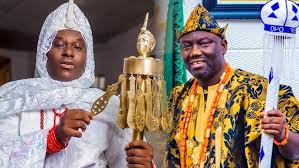
Alaafin of Oyo, Oba Abimbola Akeem Owoade, is set to install Seyi Tinubu, the son of President Bola Tinubu, as the Okanlomo of Yorubaland.
The installation ceremony is scheduled to be held in Oyo town on Sunday, December 21, 2025.
The event is expected to draw traditional rulers, political figures, business leaders, and other dignitaries from across the South-West.
The development comes weeks after the Ooni of Ife, Oba Adeyeye Enitan Ogunwusi, installed Ibadan-based businessman, Prince Dotun Sanusi, as the Okanlomo Oodua in Ile-Ife.
That ceremony had sparked debates within traditional and cultural circles, particularly around the use of titles that appear to have regional or pan-Yoruba significance, as the planned installation has revived an earlier disagreement between the Alaafin of Oyo and the Ooni of Ife over the authority to confer titles that extend beyond individual towns or kingdoms.
Following the installation of Sanusi in Ile-Ife, the Alaafin, through his media aide, Bode Durojaye, had issued a 48-hour ultimatum demanding a retraction of the title.
At the time, the Oyo monarch argued that the Ooni of Ife did not have the authority to proclaim or approve titles covering the entirety of Yorubaland.
He maintained that such actions could create confusion within the traditional institution and undermine long-established hierarchies among Yoruba monarchs.
Although the ultimatum expired without any public retraction, the disagreement has continued to generate discussions among historians, traditional leaders, and members of the public.
Some have called for clearer boundaries on the use of traditional titles, while others see the recent installations as largely symbolic honours reflecting modern influence and philanthropy.
Neither the palace of the Ooni of Ife nor representatives of Prince Dotun Sanusi have issued fresh statements in response to the latest development.
As Oyo town prepares to host the ceremony, all eyes will be on how the Alaafin’s decision shapes ongoing conversations about authority, tradition, and modern influence within Yorubaland’s revered royal institutions.










Police Arrest 60-Year-Old Suspect Linked To Bomb Explosion In Bayelsa

Ecobank Nigeria Unveils Business App To Accelerate SME Growth Nationwide

Dangote Refinery’s Crude Distillation Unit And Motor Spirit (MS) Block Hit 650,000 bpd Capacity

Fidelity Bank Donates Essential Items To Ikoyi Correctional Centre
See Exchange Rate Tonight As Naira Appreciates At Official Market

US Lawmakers Introduce Bill To Sanction Miyetti Allah, Kwankwaso, Fulani Militia Over Violence In Nigeria

Senator Kalu Reaffirms Backing For Electronic Transmission, Slams Misrepresentation Of 5-Year-Old Video

Tottenham Sack Head Coach

OAU, UNN, Other Fresh Graduates Win Big In Unity Bank Corpreneurship Challenge
