
Business
Cooking Gas Price Increases Again

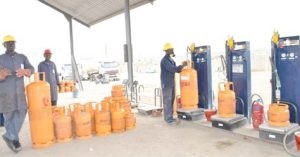
Cooking gas price has again increased.
NewsRain Nigeria reports that Nigerians are facing another increase in cooking gas, with some consumers now paying as high as ₦1,600 per kilogram in certain locations as prices continue to rise amid supply and market pressures.
Recent market checks show that while the average retail price of Liquefied Petroleum Gas (LPG), popularly known as cooking gas, has been reported around ₦1,300 per kilogramme, some gas outlets and informal sellers are charging higher rates, with prices reaching between ₦1,500 and ₦1,600/kg depending on location and vendor.
The latest increase means households that rely on LPG for cooking are spending more to refill their cylinders.
A consumer buying a 6kg cylinder at ₦1,600/kg would now spend about ₦9,600 on gas alone, excluding any additional charges from some retailers.
READ ALSO: Canada Invites Senior Managers To Apply For Permanent Residence
The rise comes after several increases in cooking gas prices recorded in recent months, as Nigerian households continue to deal with higher energy costs.
Cooking gas prices have experienced repeated upward movements this year, with market reports showing different price levels across states and outlets.
The cost of LPG has been affected by factors including supply challenges, transportation costs, exchange rate pressures, and changes in international energy markets.
While some official market data track average national prices, actual prices paid by consumers often differ because of location, distribution costs and whether the buyer purchases from a major gas plant or smaller retail outlet.
Industry operators have attributed recent price increases to several factors affecting the LPG market.
One major factor is the cost of sourcing and transporting gas. Nigeria has significant natural gas reserves, but challenges around processing, distribution infrastructure, and logistics continue to affect the price consumers pay.
The exchange rate also affects LPG pricing because some parts of the supply chain rely on imported equipment, vessels, logistics and other foreign currency-linked costs.
Gas marketers have also pointed to global energy market pressures as a factor influencing prices.








Veekee James Clears The Air On Viral Pregnancy Reports

Cooking Gas Price Increase to N1,800/kg

Black Market Dollar To Naira Exchange Rate Today 14th November 2026

Nigerian Newspaper Headlines, Naija News for Saturday, 14th November 2026

Open Heavens Daily Devotional For Today 14th November 2026

ICYMI: See Viral Video Of Ooni Of Ife At Ex-wife Naomi Silekunola’s University Convocation

Fidelity Bank Promotes Africa’s Creative Economy At CANEX WKND 2026

Luminance Media & PR: How The Firm Is Turning Brands, People And Ideas Into Powerful Stories

Beyond Visibility: Why Cybersecurity Must Become A Priority In The Media And Public Relations Industry-By Odunlade Ifeoluwa
