BrandNews
Nigeria Infrastructure Summit 2026: Experts Warn Skills Gap, Poor Planning Stalling National Development

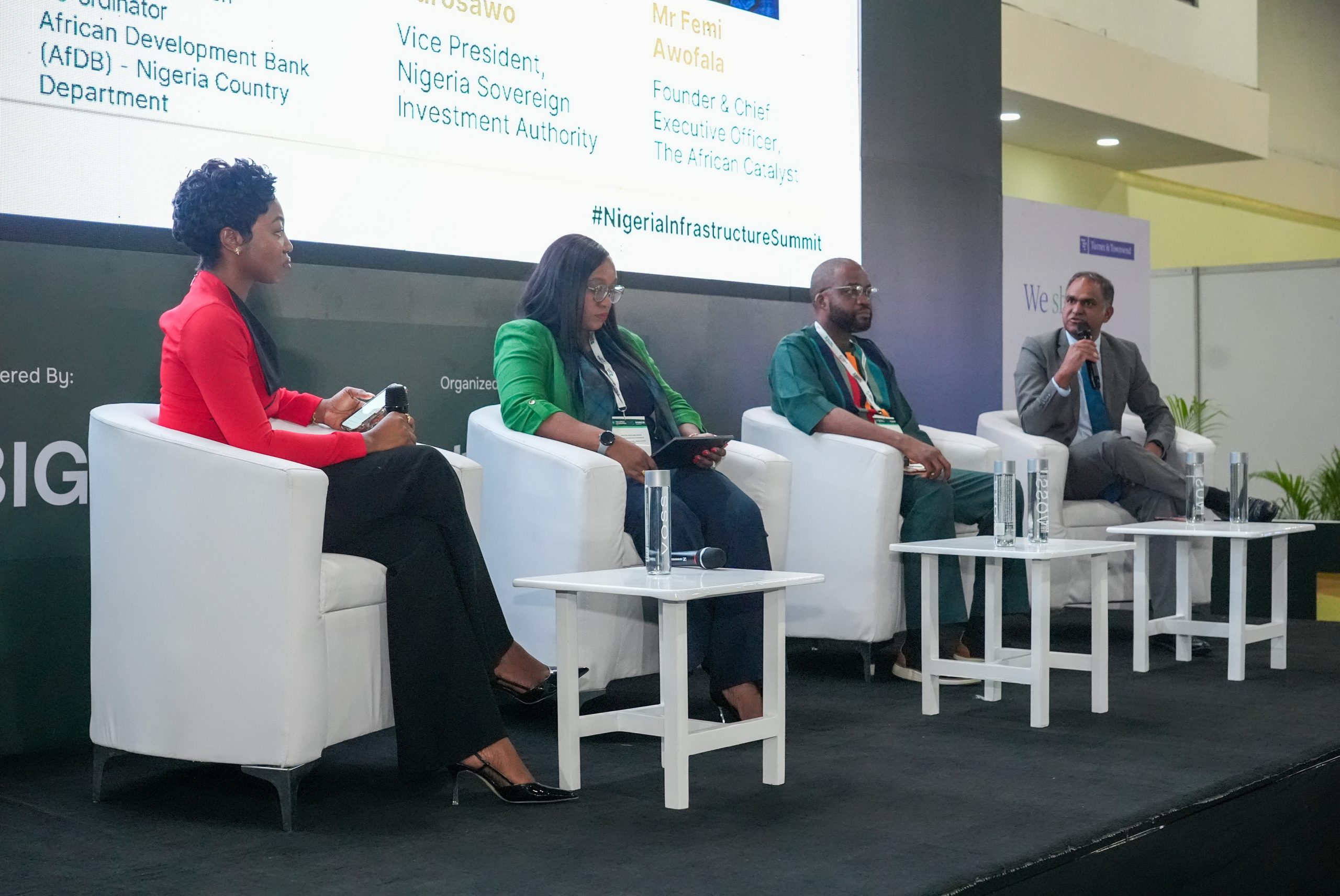
Experts have warned of a skills gap, poor planning, and stalling national development at the Nigeria Infrastructure Summit 2026
NewsRain Nigeria reports that industry leaders at the West Africa Infrastructure Expo 2026 have raised concerns over Nigeria’s widening engineering skills gap and persistent infrastructure failures, warning that urgent reforms are needed to drive sustainable development.
Speaking at the Nigeria Infrastructure Summit, held alongside the expo and organised by dmg events, stakeholders said the country’s infrastructure ambitions risk being undermined by poor training systems, weak project execution, and inadequate funding models.
In her welcome remarks, Josine Heijmans, Senior Vice President at dmg events, said Nigeria stands at a “critical stage” in its development journey.
READ ALSO: Big 5 Construct Nigeria Brings Together Construction Professionals In Lagos
She noted that investments in transport, power, water, and digital systems are central to economic growth but must be backed by effective delivery systems.
“The discussions will explore how policy alignment, effective partnerships, and investment-ready models can accelerate infrastructure delivery across Nigeria,” she said.

Engineers highlight training crisis
Panelists, including Eng. Patricia Odili, Eng. Olu Ogunduyile of Council for the Regulation of Engineering in Nigeria, and Eng. Oludayo Oluyemi of the Nigerian Society of Engineers pointed to a deep disconnect between academic training and industry needs.
They said Nigerian universities still rely heavily on theory, leaving graduates unprepared for real-world engineering work.
According to the panel, many graduates abandon engineering careers altogether due to a lack of practical exposure.
“We are producing graduates who are not ready for the market,” one speaker said, contrasting Nigeria’s system with countries that combine years of theory with hands-on training.
The skills gap is already affecting infrastructure quality.
Experts said more than 40% of road failures in Nigeria are linked to poor soil investigation and weak geotechnical analysis, while contractors often fail to meet design specifications.
They also criticised the widespread “one design fits all” approach, which ignores regional differences in soil and environmental conditions.
Stakeholders called for stronger collaboration between universities, private firms, and government agencies such as the Industrial Training Fund.
Some companies are already stepping in, running three-year training programmes that combine site work, design, and project management.
Panelists also recommended:
- Mandatory geotechnical investigations before construction
- Stronger supervision of contractors
- Continuous professional development for engineers
- Integration of NYSC internships into engineering training
Beyond skills, financing remains a major barrier.
Eng. Valerie Agberagba, who moderated the panel, said delayed payments on government projects, sometimes stretching up to two years, are disrupting delivery and discouraging contractors.
She also pointed to poor coordination between federal and state authorities, especially on overlapping infrastructure projects.
“There is a communication gap across levels of government, and it affects execution,” she said.
Agberagba added that Nigeria must look inward and leverage domestic funding sources instead of relying heavily on foreign investment.
Oil sector model offers lessons
Experts compared Nigeria’s public infrastructure system with the oil and gas sector, where stricter standards and structured processes lead to better outcomes.

They noted that oil projects typically follow clear approval “gate systems,” use experienced contractors, and ensure timely funding—factors often missing in public projects.
Technology seen as a game-changer
A separate presentation by Adedayo Adebimpe, Principal Project Director at View Scope Engineering, highlighted the role of Building Information Modelling (BIM) in improving efficiency.
He explained that BIM allows engineers to extract accurate building data directly from digital models, reducing errors and cutting cooling load calculation time from several days to hours.
“The quality of input determines the output—garbage in, garbage out,” he said, stressing the need for accurate digital models.
What’s next
Participants said the summit must move beyond discussions to implementation.
They called for policy reforms, stricter regulations, and stronger partnerships to ensure infrastructure projects are completed efficiently and sustainably.
The event also emphasised the need for continuous exposure of young engineers to real projects, including a proposed one-year residency-style programme for graduates.



VIDEO: Mr Ibu’s Family Cries Out For Help, Says “We Can’t Afford School Fees, House Rent, And We Fetch Water From A Well”

NIMN Unveils Landmark Consumer Report, As Peer Trust Outpaces Traditional Ads

Fidelity Bank Empowers Plateau School Children With School Packs Donation

Zenith Bank Opens Branch In Osubi Community In Delta

Primate Ayodele Reacts As Kwankwaso Threatens Him With ₦10 Billion Defamation Suit

Nigerian Newspaper Headlines, Naija News for Thursday, 25th June 2026

Black Market Dollar To Naira Exchange Rate Today 25th June 2026

Open Heavens Daily Devotional For Today 25th June 2026

Elon Musk Loses Trillionaire Status Two Weeks After Becoming First Person To Achieve It
